The answer to what is best for your skin will be dictated by a number of things: your type of skin, moisture content, how much sun you are in and your everyday routine. A mild temperate zone with its moderate humidity and little wind, provided one has sensible UV protection, is as a rule the most accommodating environment for an at ease skin barrier.
But do not think that means you have to up and make for Melbourne. One with oily skin might like it cooler; dry or sensitive skin is happier in some gentle humidity. That is why knowing which climate is best for your skin matters. I can attest to this from experience. After I made the move from the Wellington winds to the sticky summer air of Queensland, my makeup would be gone in the time it took for a short walk and my cheeks were hardly glowing with thanks. Elara Ashbury here, beauty professional and writer in Brisbane.
How Your Skin Is Affected By Climate

From the water and oil on your face to the level of irritation you put up with, climate has an influence. It determines how fast your products evaporate. All of the following are factors: temperature, UV, wind, pollution, allergens and humidity.
Consider your skin barrier a kind of wall. Should cold or hot weather, or something you put on your face, compromise it, you will see more moisture loss and in turn flaking, tightness, sensitivity or breakouts. You want a climate that leaves your barrier stable and spares you from endless heat and sweat.
Humidity And Moisture
In a humid place there is more moisture in the air so it does not evaporate from the skin so readily. That is welcome for dehydrated skin when the warmth is not overbearing.
Yet high heat and moisture will not of themselves put right your skin. They bring with them blocked pores, shine and friction. Let sweat linger under a hat, helmet or your sunscreen and acne prone skin will be none too pleased. A mozzie is not the only one to relish a damp summer.
Wind, Heat And Pollution
Dry air and wind will rob your skin of moisture and make it rough. With hot weather you get more oil and sweat, and pollution has a way of collecting on the face and causing trouble.
Then there is the matter of the sun. Do not assume cool or cloudy days are safe from damage; daily SPF and a hat are still called for in Australia. If you want to get a handle on the differences between the Pilbara, the Red Centre, Melbourne, Brisbane or the Top End, the Bureau of Meteorology has the information.
Is Humidity A Good Thing?
It can be, if you have dry skin as it may slow the rate of moisture loss and put some oomph into a good moisturiser (so long as it is suited to your skin and not just sitting there like cake icing).
Oily or blemish prone skin is another story. In high humidity the combination of sebum, sweat and occlusive products is not a pleasant state of affairs. So whether humidity is good is a personal equation; while you can be comfortable with moderate levels, very high humidity has a way of making new problems.
50% Humidity?
A lot of people put 50% forward as being good for the skin. It is a nice enough middle ground for indoors but no medical imperative. Put in a long hot shower or use a strong exfoliant and 50% will not stop your skin feeling dry. An oily complexion can be just as shiny. Take the figure on a weather app for what it is and let your own skin be the guide.
Problems With Humidity
When the temperature goes up and products feel cloying and the sweat will not evaporate, high humidity is trying on the skin. Those with rosacea will find the heat brings out the flush, and frequent touching of an occlusive layer can set off acne.
Keep to lightweight layers and give your face a wash after you have been sweating. There is no point in an aggressive scrubbing session; an irritated barrier is not going to reward such enthusiasm.
Skin Type And Climate
You will not find a one size fits all climate as every skin type has its own reaction to the weather. Make your routine and surroundings suit your primary concern and be observant of any changes. There is more to it than the climate, even if that is a factor. In summer the skin has a tendency to get oily, travel can leave it dry and too much exfoliation will make it sensitive.
| Skin Type Or Concern | Often More Comfortable In | Useful Adjustments |
|---|---|---|
| Dry or dehydrated skin | Mild conditions with some humidity | A moisturiser with shea butter or jojoba oil, hyaluronic acid and a cleanser of the gentle variety. |
| Oily skin | Where it is cooler and less humid | Opt for a gel type of moisturiser and do not put on heavy layers in hot weather; cleanse once you have been sweating. |
| Acne-prone skin | Temperatures and humidity that are moderate | Simplicity is key. Use non-comedogenic sunscreen and minimise friction. |
| Sensitive skin | When the conditions are stable and there is little wind | Be slow in introducing new products and see to the protection of the skin barrier. |
| Rosacea-prone skin | Cool and stable, no major heat shifts | Wind should be guarded against and heat exposure kept to a minimum. Should flushing become an issue, a health professional is the one to talk to. |
| Pigmentation concerns | Provided there is good UV protection in any climate | Make SPF, shade and the right clothing part of your day. |
Dry And Sensitive Skin
This kind of skin will do better with a modicum of humidity and temperatures that are not extreme, as well as an absence of wind. A dry climate is apt to cause flaking and tightness, particularly when one is travelling from a cold exterior into a heated room.
Stick with a mild cleanser and put your moisturiser on while the skin is still a bit damp; look for hyaluronic acid, shea butter or jojoba oil in the ingredients. If basic products cause a sting, put the retinoids, scrubs and strong acids aside until the barrier has calmed down.
Oily And Acne-Prone Skin
You might find oily skin easier to deal with in a temperate or cool climate but do not let dryness set in, it will only provoke reactive oiliness and discomfort. To remove all the oil is to strip the skin and risk irritation.
A light cleanser and broad-spectrum sunscreen along with a gel moisturiser will suffice. Make a habit of washing after you have been exercising, keep your hands off your face and change your pillowcase with some regularity. When your pores are making their displeasure known, simple is the way to go.
Hot Weather And Skin Health

The dewy look sweat and surface oil give to the skin in hot weather is only temporary. Do not mistake it for proper hydration and assume the heat is doing the skin any favours.
It can be uncomfortable under makeup and lead to a certain prickly feeling and flushing. Sunscreen and cosmetics will also have a mind of their own in the heat so reapplication is not as dependable unless you are prepared for it.
Australian Summer Mistakes
To think of sweat as moisture is an error. The water evaporates and the salt remains. Some forgo moisturiser on the grounds the face is oily enough, yet a light one will not feel greasy and will help the skin barrier.
I was in Brisbane once and put on a nicely blended base before going to see a friend. The humidity had made an abstract painting of my lower face by the time I got there. It was a case of learning to use lighter layers and let the sunscreen do its thing, and to have a clean cloth at hand instead of rubbing at the face.
In the warmer months in Australia one has to be mindful of the sun and how one times outdoor activities. The wet season in the north will bring its share of storms and humidity, the dry season dust and drier air. Cyclone alerts in WA or the Top End from November to April can put a damper on plans. All those variables of wind and sudden changes can have an impact on your routine.
Cold Weather And Dryness
Expect the skin to be more sensitive, with a rough texture and some flaking. Wind and cold air which has little to way of holding moisture will make the face seem drier.
Then there is indoor heating to add to the drying effect. A long hot shower is marvellous after a walk in the chill but it will take the oils off the surface. Make it warm rather than hot, pat dry and follow up with a moisturiser.
What Season Dries Skin Most?
Winter for most, given the combination of the cold, the wind and what is inside. But an Australian summer can be hard on the skin too, inland or when there is a lot of dust and wind.
Pay attention to the early signs. Exfoliate less and put more support behind the barrier if you notice flaking under your makeup or a stinging sensation from the moisturiser. Your face ought not to require a billy of tea and some encouragement after you have had a shower.
Mediterranean Climate Benefits
Those who have no patience for extremes may find a Mediterranean climate to their liking, with its milder, wetter winters and warm summers. Such moderation is kinder to dry, sensitive skin than something intensely humid or very cold and windy.
Sunny weather is no guarantee of an ideal climate for your skin. With the dry air of summer you can have greater moisture loss, and there is the matter of considerable UV exposure. The climate will be of some assistance provided you put in the work on hydration and sun protection as part of your routine.
Sun Protection Still Matters
Cumulative sun exposure is what leads to pigmentation and premature ageing, so do not let a agreeable temperature lull you into thinking the UV risk is low. Put on your SPF as the label instructs, make use of shade and a broad-brimmed hat when out of doors.
Nor does your complexion spare you from the need for protection. One cannot judge invisible UV damage by the extent of any tanning, redness or visible pigmentation.
Adapting To Australia
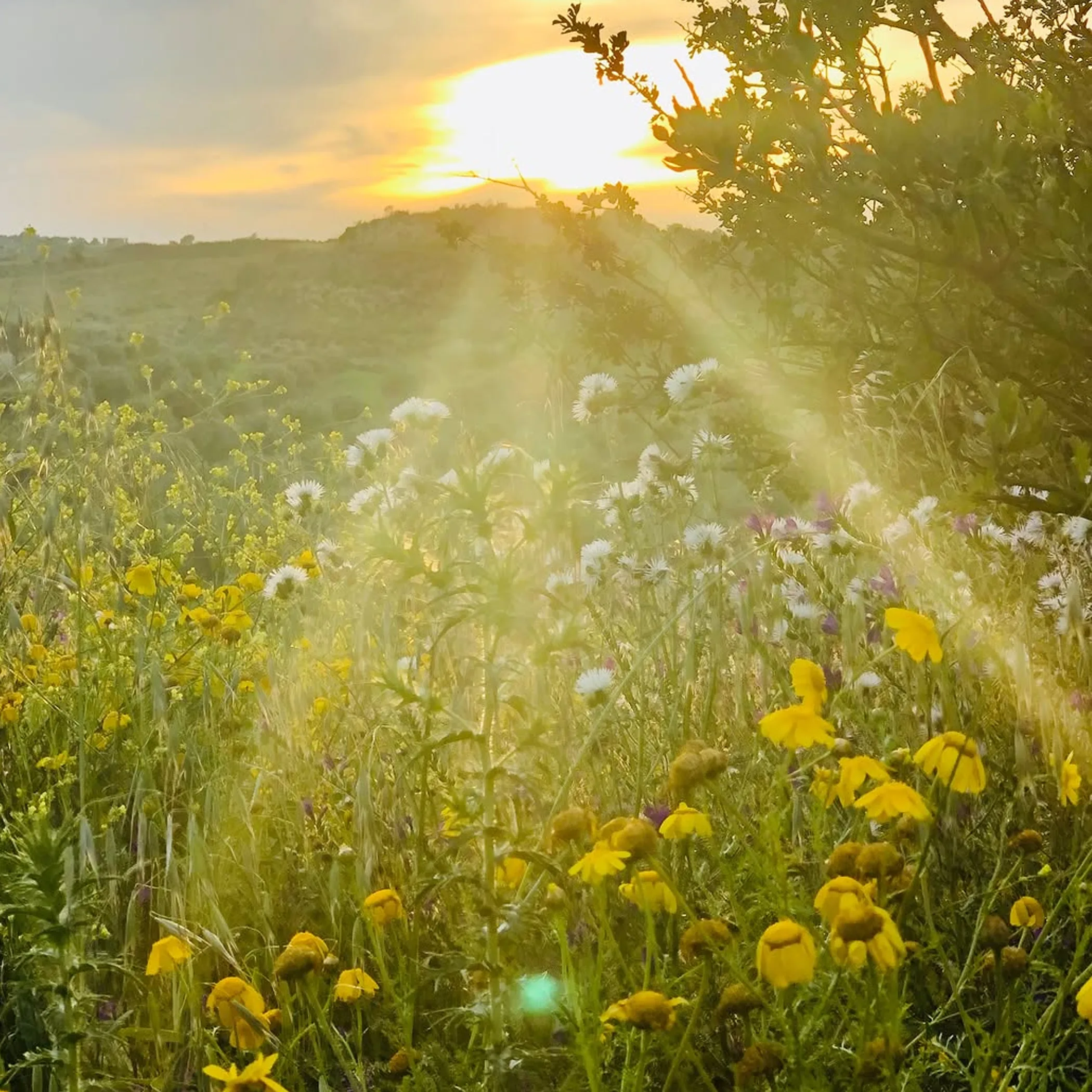
Where you are in Australia and how much of the day you are outside will dictate what is best for your skin. You will want different routines for the humidity in Brisbane, the dry heat of Perth, the cooler shifts in Melbourne, the inland or the wet and dry seasons up Top End.
Make it a manageable routine. Pick one or two adjustments and give your skin a week or two to tell you how it is doing before you go about changing all your products.
- In the humid heat, lighter layers are in order, reapply sunscreen at hand and cleanse if you have been hard at it.
- When the weather is windy or dry, put on some clothing to shield exposed skin, forgo harsh cleansers and use a more substantial moisturiser.
- On days with high UV, the temperature is irrelevant; stick to your SPF, hats and protective clothing and stay in the shade.
- Should you find yourself in a drier climate after being in a humid one, apply a richer moisturiser and put on your products right after cleansing, but do not exfoliate on a whim.
Moving Between Regions
A common error when going from humid to dry is to slather on a number of rich creams and oils straight away. This does nothing for water loss and can cause congestion. Be sensible: a hydrating layer like hyaluronic acid, a good moisturiser for your type of skin and a gentle cleanser are where to start.
The reverse is true if you are making the move from dry to humid conditions. Ease off the heavy layers and be on the lookout for clogged pores. But keep to the fundamentals: proper moisturising, gentle cleansing and UV protection.
A Day’s Routine
One day is enough to put things back in order without the need for a bathroom laboratory or a ceremonial spoon for your cream. In the morning a water rinse or something mild, then your SPF and moisturiser. Make sure to get some shade and put sunscreen on again during the day per the directions. An evening of careful removal of makeup and sunscreen, no scrubbing in the cleanser and a good moisturiser should do it.
This is a good way to go for the beginner as it keeps variables to a minimum. It is not to be taken as medical advice in the case of a rash that will not subside, sudden changes, painful acne or rosacea that is persistent.
Frequently Asked Questions
How Do Koreans Keep Their Skin So Clear?
There is no magic formula in Korea, nor is clear skin a given for every Korean. What looks clear may be down to lighting, photography, beauty standards, genetics or having access to a professional. While Korean methods are noted for their consistent sun protection, hydration and the gentleness of the cleansing, follow the principles and there is no need to purchase the whole shelf.
Do People In Humid Climates Have Better Skin?
Not by any means. Some with dry skin might find the humidity curbs moisture loss but the heat and sweat are apt to bring on oiliness, flushing and irritation. All factors come into play with skin health, from hormones and sleep to pollution and the products you use.
Is Fifty Per Cent Humidity Good For Skin?
It is comfortable for most but not to be relied upon. Wind, heating or a compromised barrier can leave your skin dry regardless. Let the condition of your skin be your guide.
What Season Dries Out Your Skin The Most?
Winter for many, with the combination of wind, cold and indoor heating. Then there is the dry summer, in inland Australia especially, which can take its toll. The worst of it is the season where you have an unsuitable routine to go with the wind and extremes of heat or cold.
Is Hot Weather Good For Skin?
No more or less. A bit of humidity may soften dry skin for a while but the heat will have you sweating and shiny and prone to irritation. Rely on your SPF and use lightweight products.
Choose Stability Over Hype

You will be better served by a stable environment with moderate humidity and temperatures and sensible UV protection than anything else. Yet in the end your routine is of more consequence than the postcode.
So whether you are in a southern city in winter, on the Stuart Highway or by the Brisbane River, listen to your skin. No climate is a stand in for basic care. Observe and adjust your products accordingly; it is more effective than a dramatic change of scene.
